Key Advantages for Parking Areas and Roads
Corrosion resistance
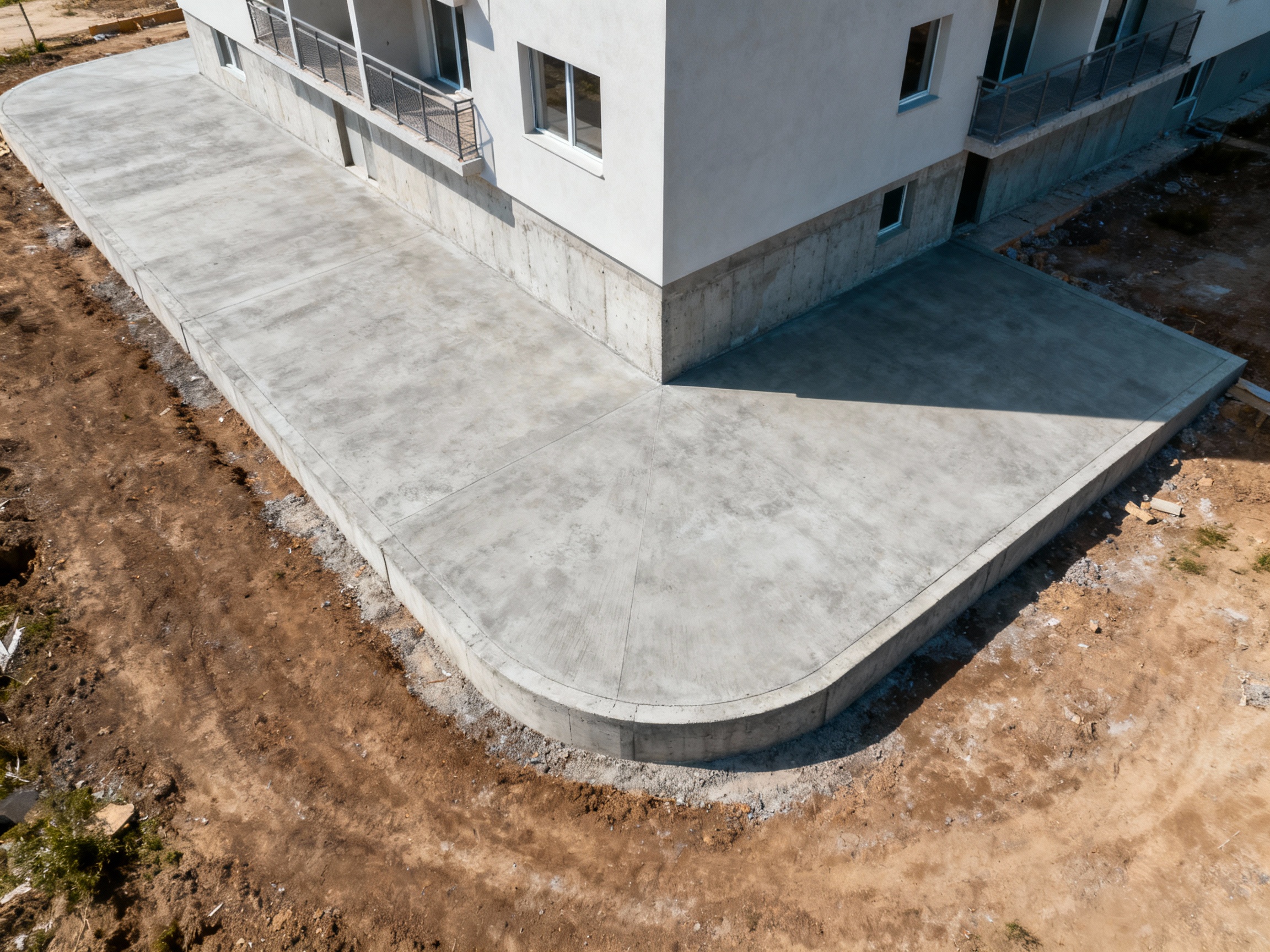
Composite rebar and mesh do not rust and belong to the 1st group of chemically resistant materials; they are resistant to salts, alkalis, acids, and de‑icing agents that destroy steel in parking and road slabs.
This is especially critical for
- open parking areas and access roads regularly treated with de‑icing materials;
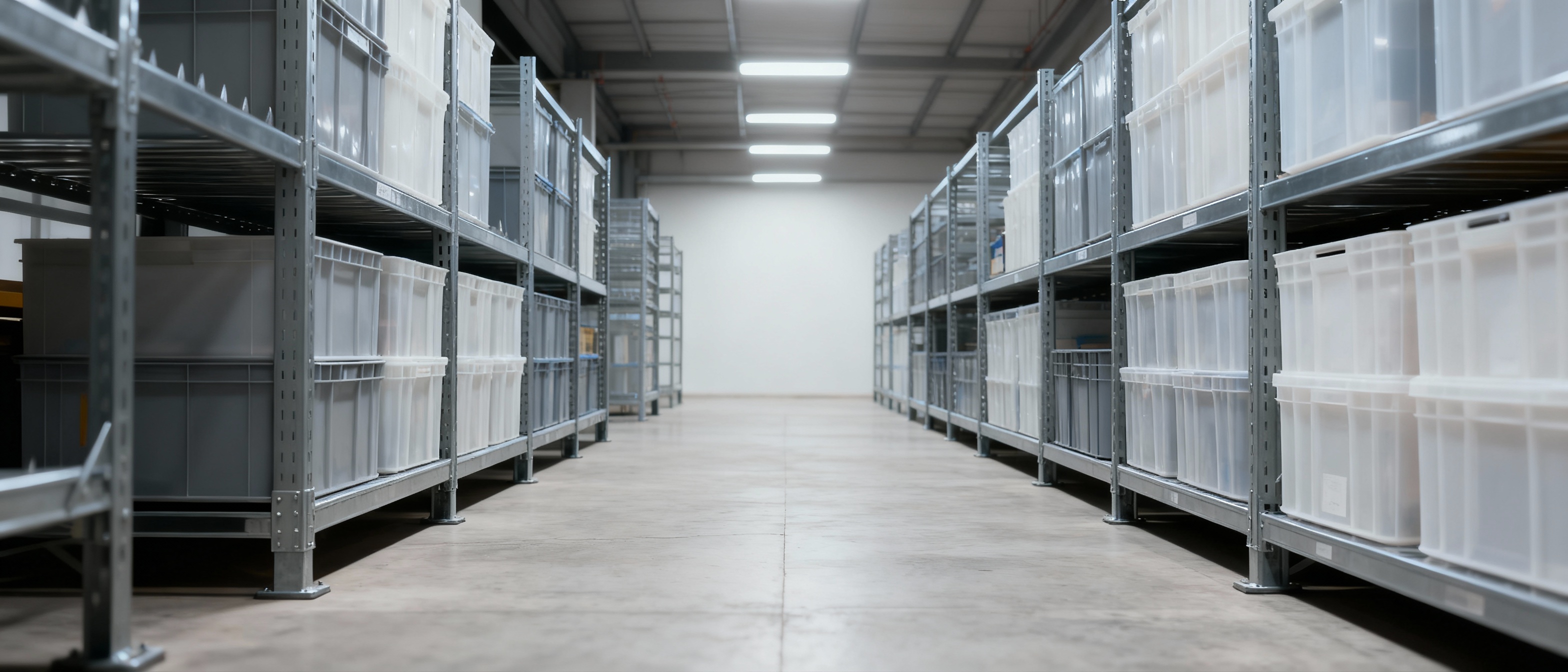
- chemical warehouses where aggressive substances can reach the floor and base.
Durability and reduced maintenance
Due to the absence of corrosion and resistance to moisture and chemicals, the service life of structures increases several times; for example, the floor reconstruction interval in a chemical warehouse increased from 5 to 25+ years after switching to composite.
In pavements and parking slabs, GFRP improves crack resistance and load‑bearing capacity, reducing the risk of cracking and potholes under heavy loads.
Light weight and logistics
GFRP is roughly four times lighter than steel, and mesh is up to 9–12 times lighter than its metal counterpart, so a light truck is sufficient for transporting long lengths of reinforcement, without 12‑meter trailers and cranes.
There are many projects where the full rebar volume for a parking garage or warehouse yard was delivered by one or two light trucks and unloaded manually by one or two workers in about an hour to an hour and a half.
Supply in 50–100 m coils reduces waste and splice lengths compared with fixed‑length steel bars.
Construction and life‑cycle economics
Thanks to equal‑strength replacement (smaller diameter, lower weight, cheaper logistics and installation), savings on material and delivery for parking and industrial slabs often reach 50–70% of the reinforcement budget; in some projects, a twofold reduction in reinforcement cost is reported.
Global practice shows that even with a higher price per linear meter, GFRP provides a lower total cost of ownership because of reduced repair needs and a long service life (75–100 years for infrastructure).
Electrical and thermal neutrality
Composite rebar is a dielectric and does not create electromagnetic interference, which is important for:
- logistics centers with electric forklifts and sensitive equipment;
- parking areas with EV charging stations.
Low thermal conductivity eliminates thermal bridges in slabs and structural elements, improving energy efficiency in heated parking structures and adjacent spaces.
Speed and ease of installation
Low weight and the absence of cutting and bending heavy steel significantly speed up reinforcement of large parking areas and warehouse floors.
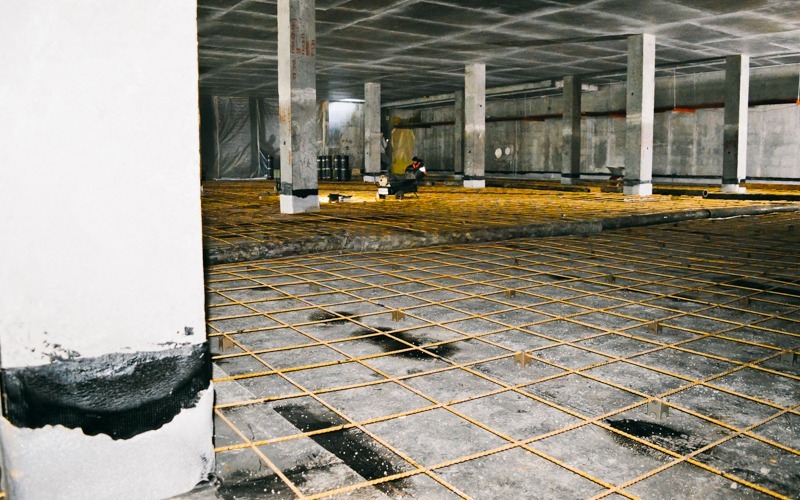
In projects using START SYSTEM, the time required to install the reinforcement cage for a 700 m² warehouse floor was reduced from several days with a crew of 15 workers to a single working day with a crew of 4 using ready‑made composite grids.
Materials and Systems
Composite rebar (GFRP/FRP): bars made of glass fiber and thermosetting resin, most often 8–16 mm in diameter, are used in parking slabs, parking garages, warehouse yards, and access roads instead of larger‑diameter steel reinforcement (equal‑strength replacement, for example Ø12 steel → Ø8 GFRP).
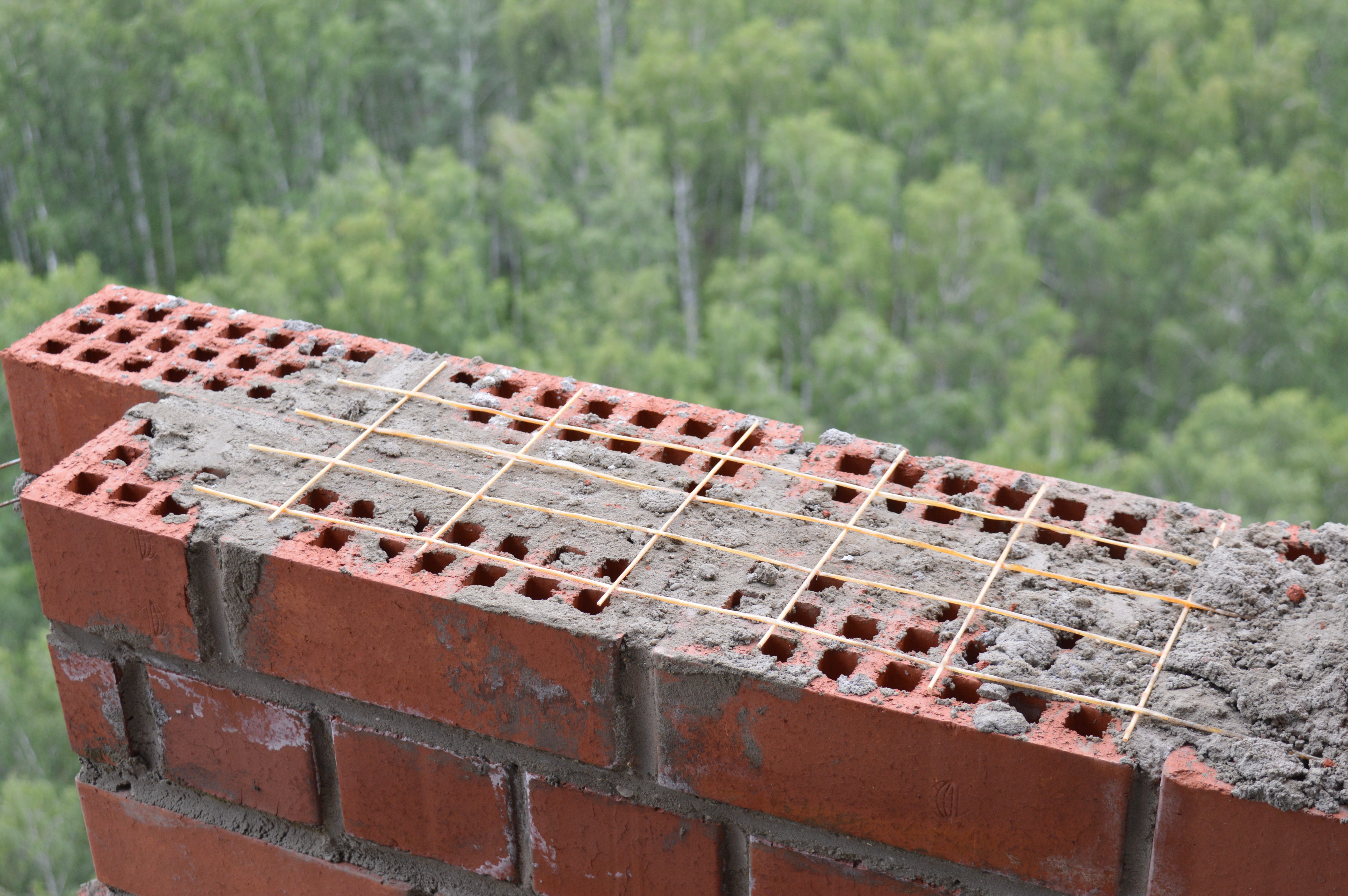
Composite reinforcing meshes: sheets and rolls (grid 50×50 or 100×100 mm, bar diameter ~2.5 mm) for reinforcing concrete screeds, industrial floors, and sub‑bases for road structures and parking areas.
Prefabricated composite frames (such as START SYSTEM): three‑dimensional grids and frames for floor and yard slabs, delivered ready for installation and dramatically reducing the amount of rebar tying required on site.
In Composite Group Chelyabinsk case studies, these solutions are used for underground parking slabs, open yards for heavy machinery, parking areas at shopping centers and terminals, as well as for experimental road pavement reinforcement with composite mesh.