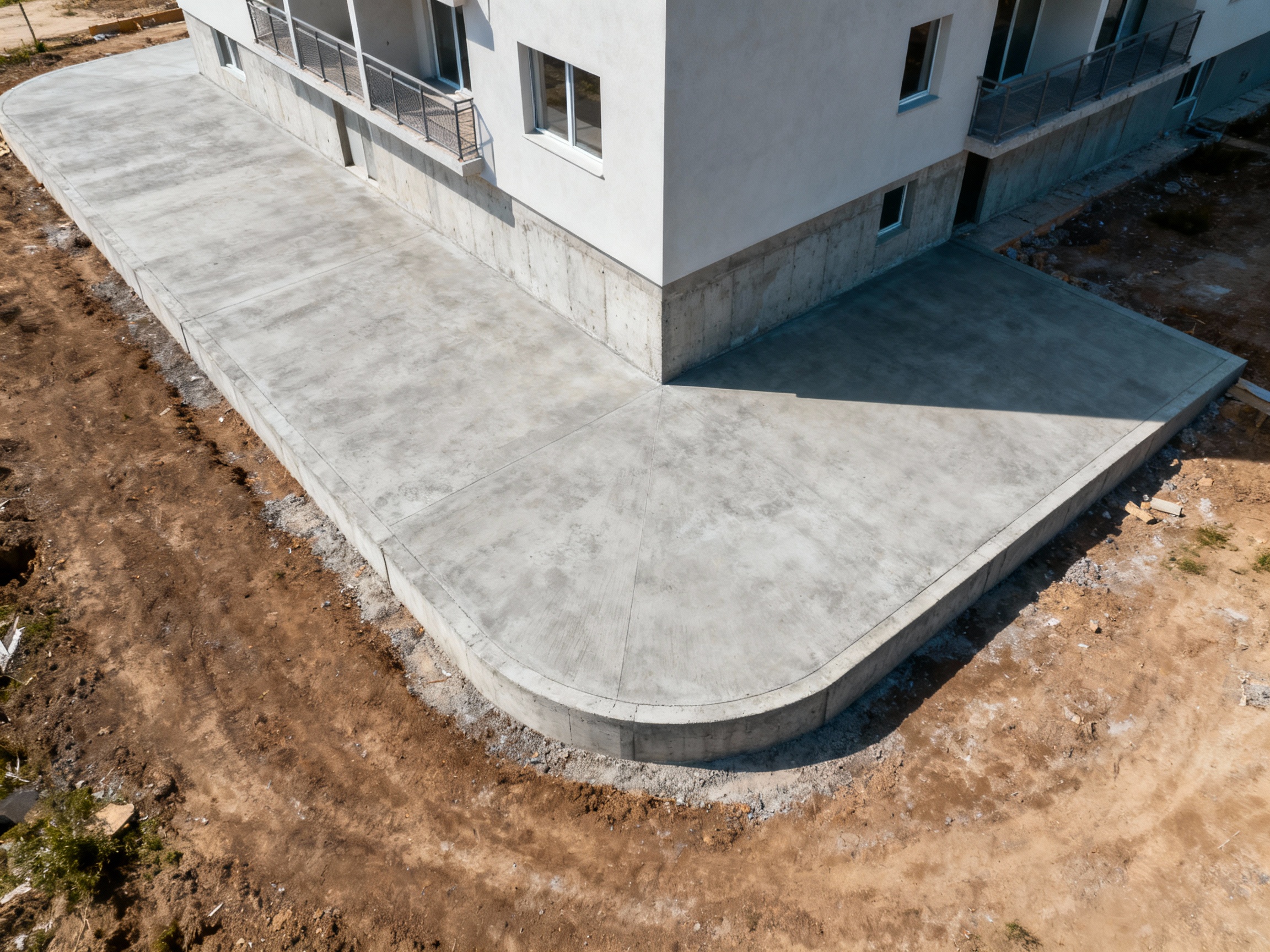
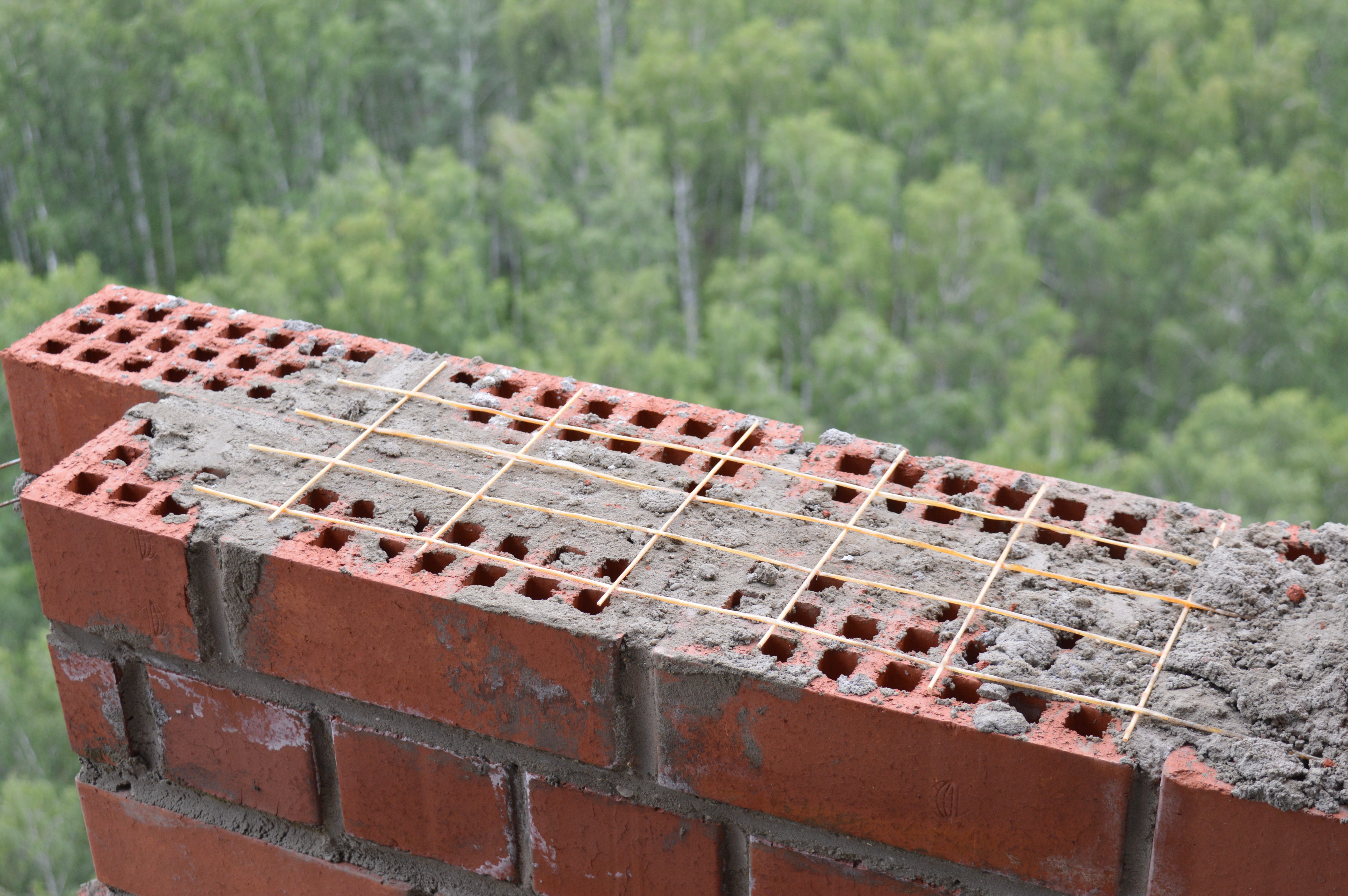
Fiber-reinforced polymer is suitable for concrete structures in contact with water, including concrete structures placed in salty sea water and chlorinated water due to the fact that this reinforcement does not corrode or deteriorate in aggressive acidic and alkaline environments. Suitable for all types of climate from hot and humid to dry and cold.
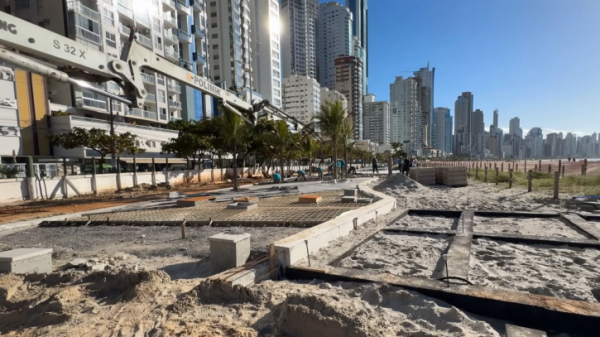
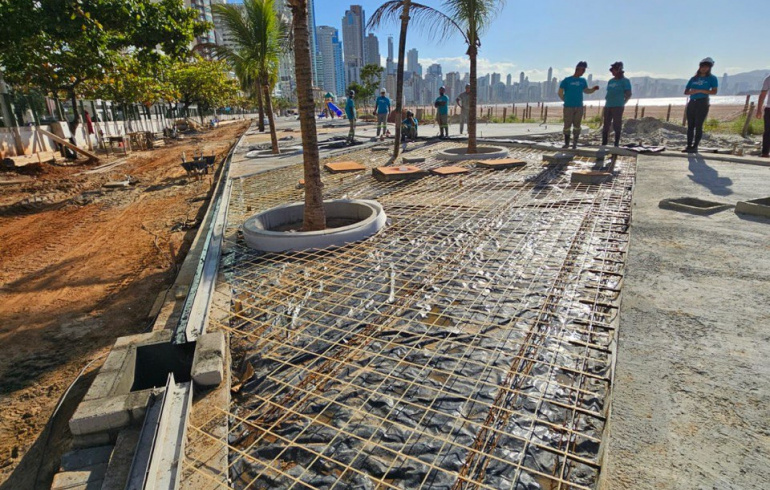


GFRP rebar makes water infrastructure not only durable but also long-lasting—free from rust, unexpected repairs, and unnecessary downtime.
Pools
In pool walls and basins, GFRP rebar performs where steel quickly fails: underwater, in chlorine, and chemicals. This rebar does not rust, does not swell the concrete, and helps the pool remain sealed and visually appealing for longer. Lightweight rebars are easier to install in cramped machine rooms and during renovations to existing facilities.
Shorelines
When used to strengthen banks, retaining walls, and embankments, GFRP easily withstands salt, moisture, and freeze-thaw cycles. The structure does not age due to rebar corrosion, and the designer gains a more predictable service life without frequent, costly repairs. Its light weight simplifies delivery to remote sites and reduces the load on equipment.
Ports and berths
In ports, GFRP rebar is used in quay walls, slabs, and mooring areas where traditional concrete is constantly exposed to seawater. The absence of corrosion within the structure means fewer cracks, spalls, and emergency repairs, resulting in less downtime for the terminal.
Bridges
GFRP is especially popular in bridges where salts and de-icing agents are used. The rebar does not corrode, does not damage the protective concrete layer, and helps maintain the bridge's load-bearing capacity for the entire design life. For the client, this allows for a longer lifespan and lower maintenance costs.