Construction of facilities with increased sensitivity to electromagnetic fields

It is especially important to reduce the electromagnetic field (and/or static electricity) by replacing metal structures with non-conductive materials in medical centers with high-precision equipment (MRI, CT, PET), data processing centers and server rooms. In hazardous environment facilities, scientific and measurement laboratories. Replacing steel reinforcement, embedded parts, and frame parts with composite (dielectric) materials helps reduce the impact of electromagnetic fields, eliminate paths for currents and static charges, and ensure more stable operation of sensitive equipment and reduce risks.

The use of composite reinforcement effectively minimizes electromagnetic impact due to its neutrality to electric and magnetic fields, which ensures the stable operation of high-precision equipment and improves the overall electrical safety of facilities.

Composite reinforcement, unlike traditional steel, does not conduct electricity and does not accumulate static energy, which eliminates the influence of electromagnetic fields on its strength properties and adjacent equipment.

It is radio-transparent and does not interfere with electromagnetic waves and radio signals, which is critical for medical facilities (MRI and laboratories), data centers, logistics complexes with RFID systems and electric forklifts.

Low thermal conductivity reduces thermal bridges and associated energy losses, which has a positive effect on the microclimate in technical rooms and improves engineering performance.

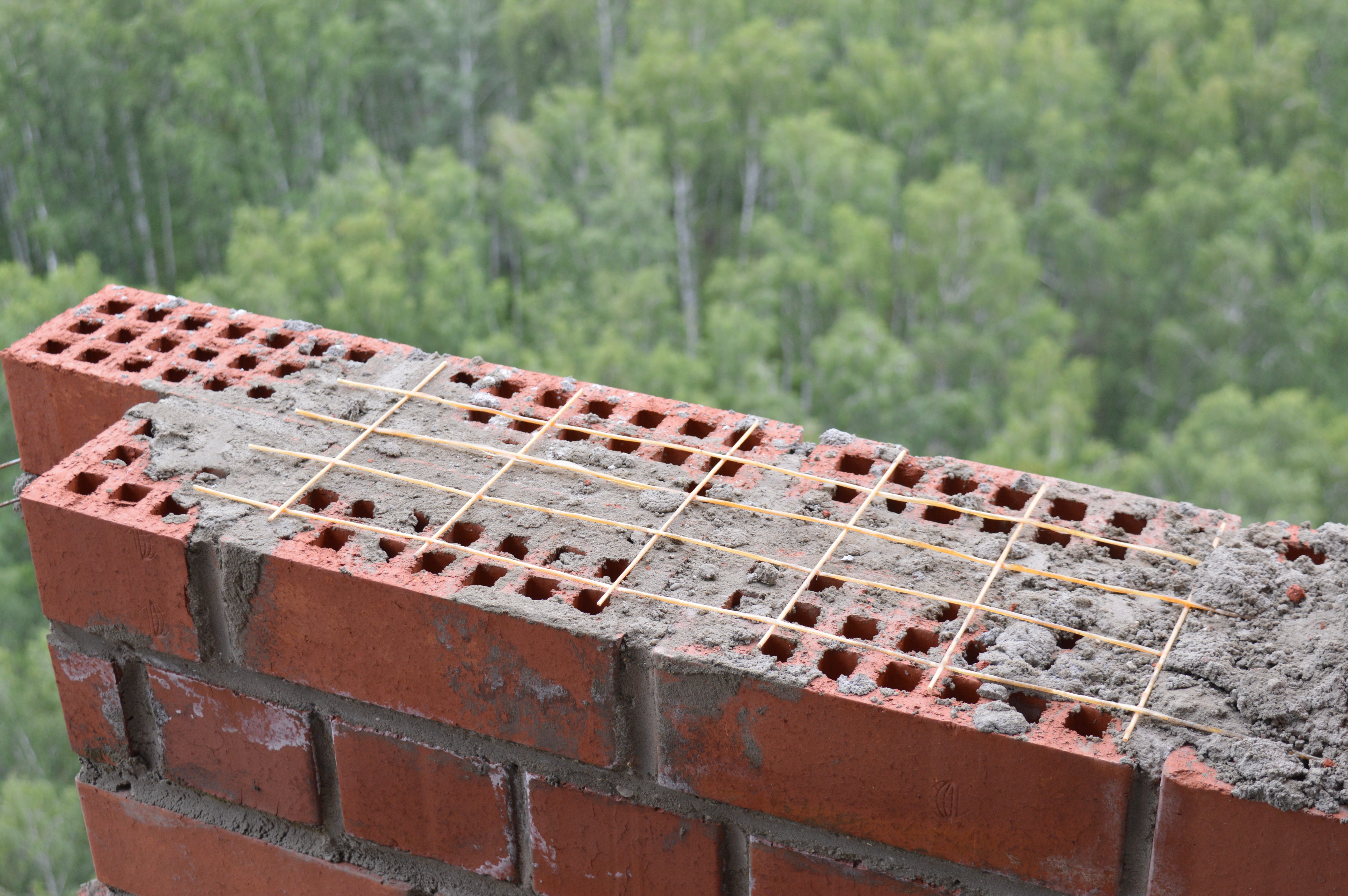
Light weight and availability in coils make composite rebar easy to install, reducing the need for bulky equipment.

See more:

Interior and concrete works in residential construction Interior and concrete works in residential construction

Composite reinforcement is used in concrete floors and screeds in residential buildings, providing distribution reinforcement, reducing cracking, and improving slab stability.

Improvement and small infrastructure facilities, landscaping and construction works Improvement and small infrastructure facilities, landscaping and construction works

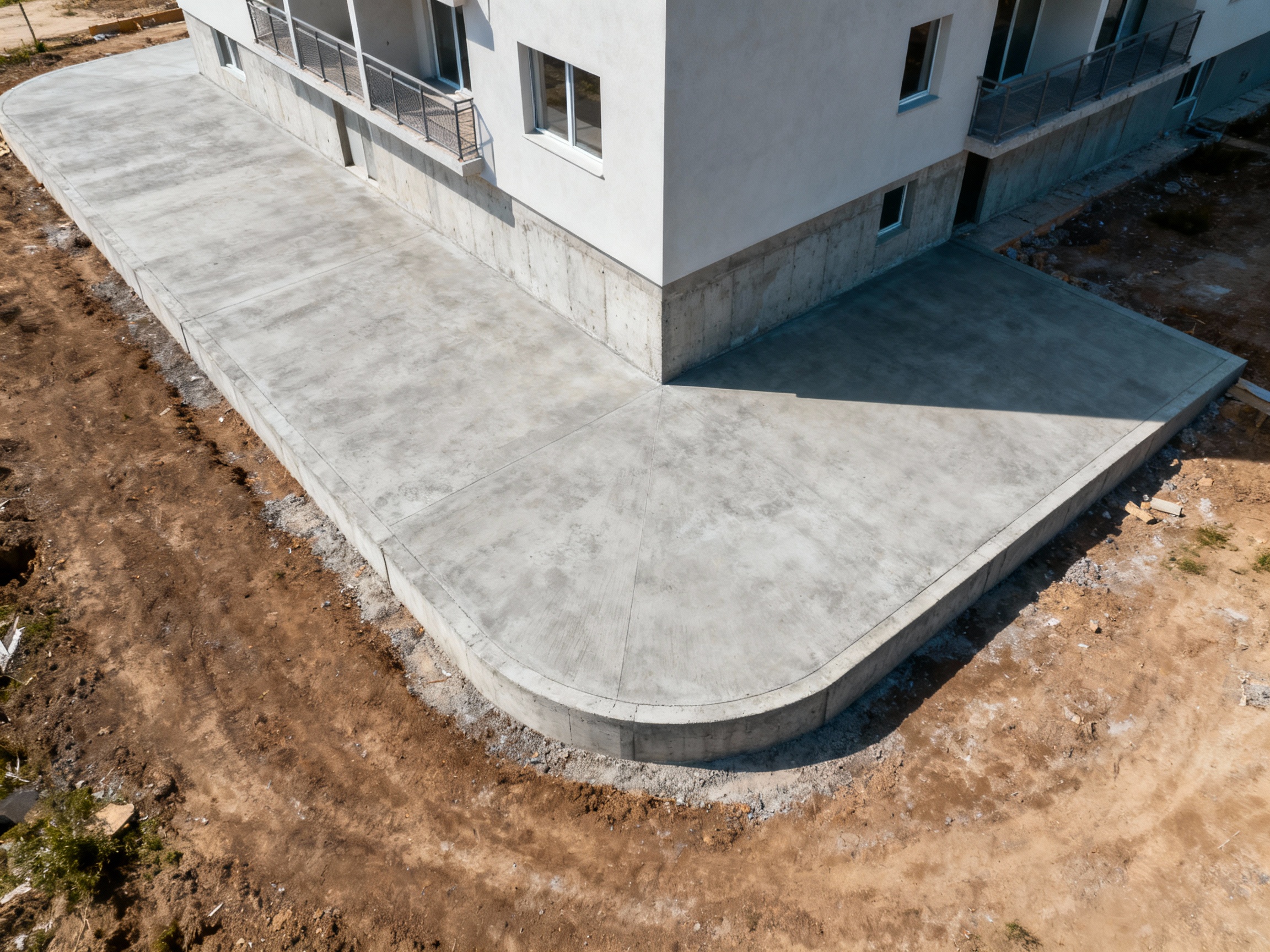
Composite reinforcement is used in concrete blind areas, pedestrian and garden paths, playgrounds and adjacent areas, foundations for small architectural forms, as well as in retaining, curb, and landscape structures, ensuring the durability and stability of small infrastructure elements.

Swimming pools, shoreline reinforcements, marine and coastal structures Swimming pools, shoreline reinforcements, marine and coastal structures

Due to their moisture-resistant properties and resistance to corrosion, composite rebar and composite masonry mesh are used in the construction of structures that come into contact with water and moisture, including salt and chlorinated water.

Laying foundations and reinforcing walls Laying foundations and reinforcing walls

Strip and slab foundations, reinforced concrete belts between floors, wall reinforcement

Transport infrastructure Transport infrastructure

Road construction, parking for large and military vehicles, underground parking

Industrial and commercial construction Industrial and commercial construction

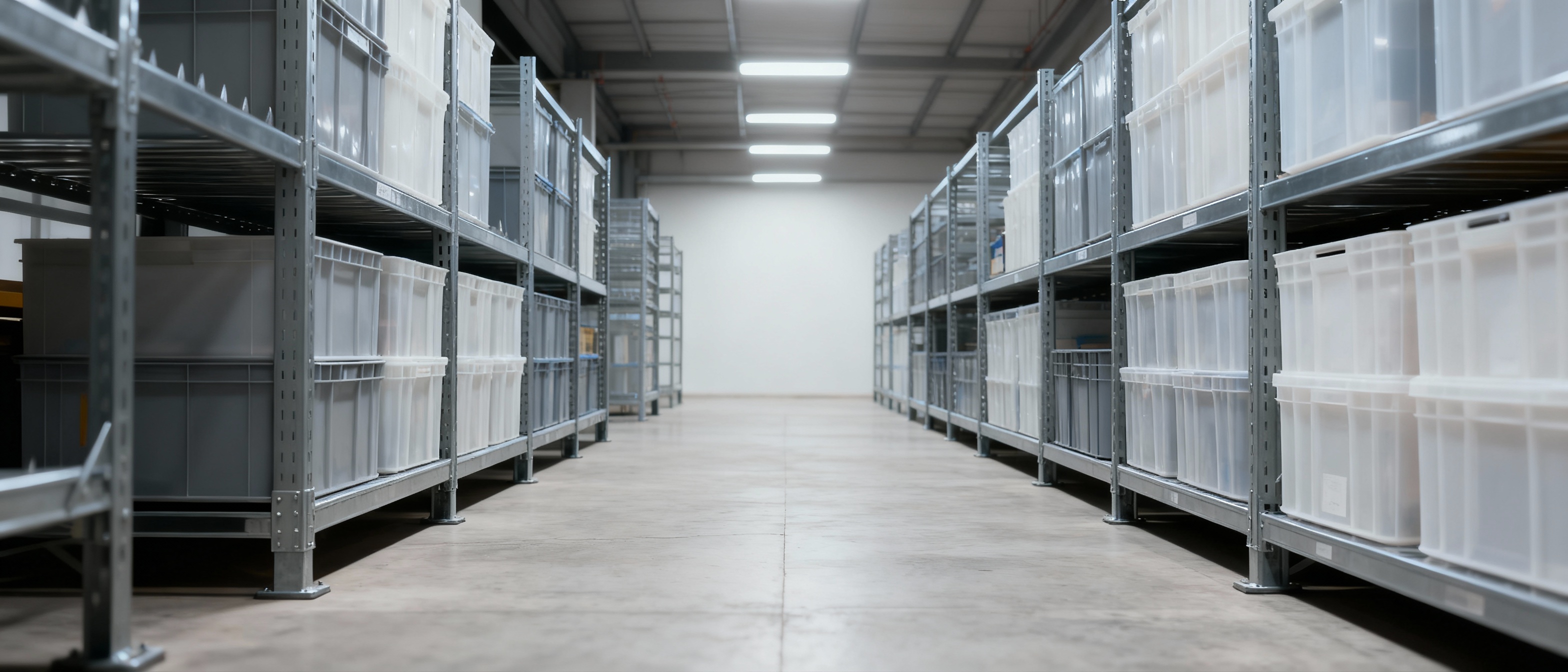
Warehouses, production facilities, industrial and commercial premises