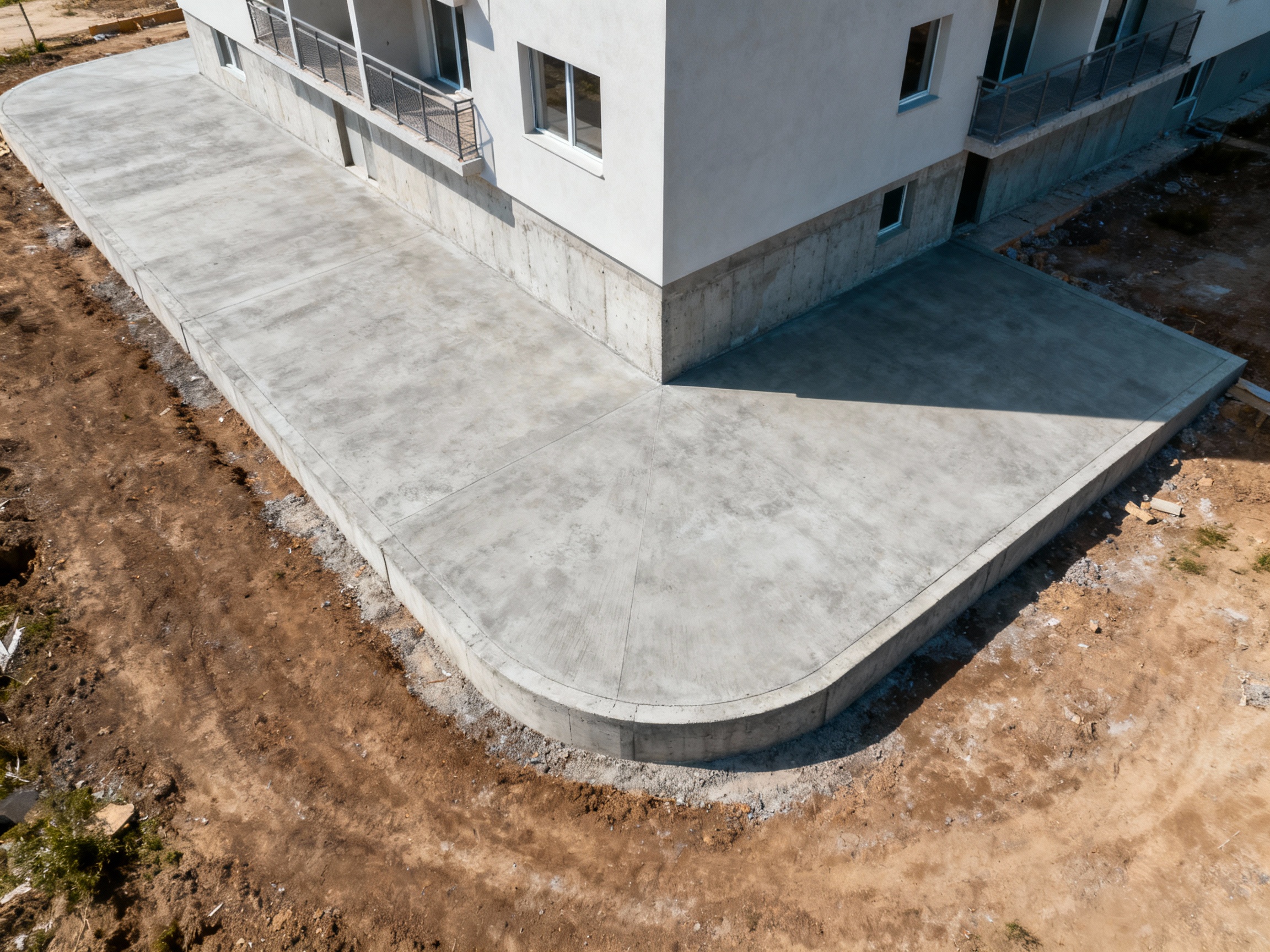
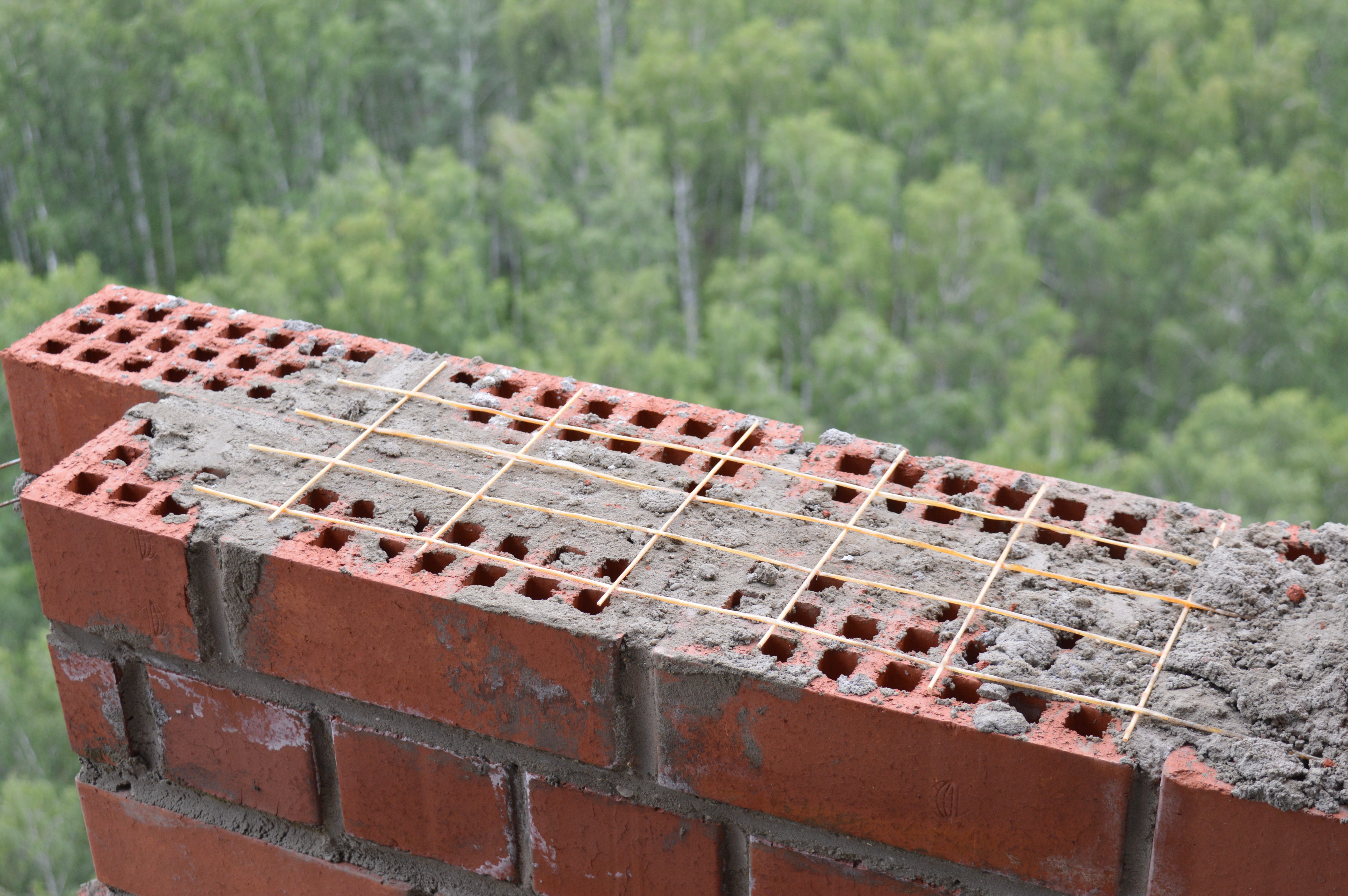
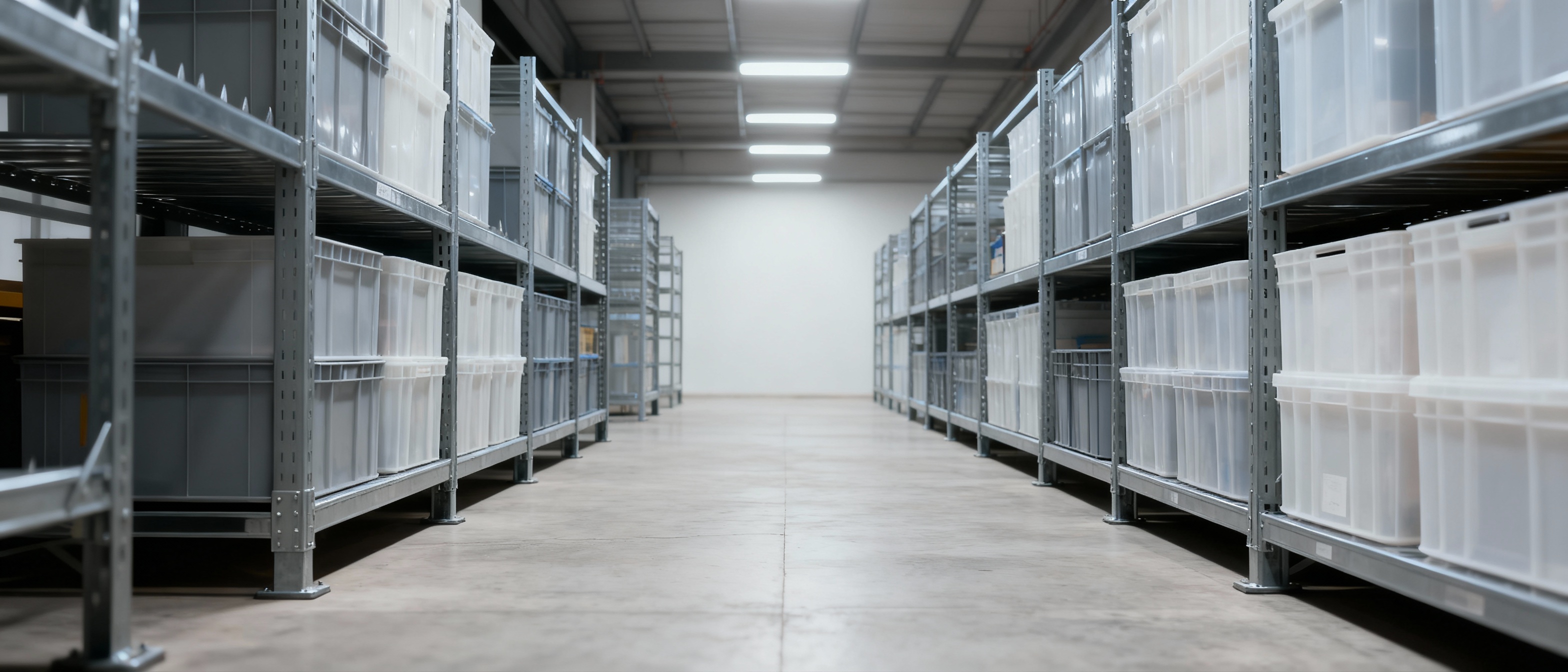
Composite rebar is used in low- and high-rise residential construction to reinforce interior concrete structures subject to moderate loads. The material is used in the construction of concrete floors, screeds, floating screeds, interfloor slabs, and slabs in residential buildings of various types: from monolithic multi-story buildings to townhouses, cottages, and brick houses. Composite bars ensure uniform load distribution, improve crack resistance and durability, and maintain stable performance characteristics under temperature fluctuations and exposure to humidity.


Composite bars are used in interfloor slabs and floor slabs of residential buildings to increase rigidity and resistance to deformation during building operation. The material is also used in foundations for utility lines, in areas where underfloor heating is installed, and in structures where a lightweight reinforcing element is required while maintaining sufficient strength. Due to its corrosion resistance and stability in concrete, composite rebar is suitable for most types of interior concrete structures in modern residential construction.
Corrosion resistance and durability.
Composite rebar is resistant to corrosion in high-humidity conditions, which is especially important for screeds and slabs, which experience prolonged periods of high humidity during curing and operation. The absence of corrosion increases the service life of the structure and prevents internal defects.
Low weight and ease of installation.
The material's low specific gravity simplifies transportation to floors, speeds up installation, and reduces the load on building floors during construction. Composite is easy to cut and shape, increasing the speed of work on residential buildings.
Reduced cracking.
Composite rebar acts as distribution reinforcement, effectively reducing the risk of shrinkage and operational cracks in screeds and slabs. This improves the stability of the floor's geometry and extends the service life of the structure.
Electrical and thermal non-conductivity.
The material does not conduct electricity and does not form thermal bridges, making it safe and technically preferable for underfloor heating systems, screeds over utility lines, and ceilings located above cold zones.
Stability of parameters under temperature fluctuations.
The composite maintains strength and rigidity during seasonal temperature fluctuations and exposure to localized heating (e.g., from underfloor heating systems), ensuring the durability and stability of the structure.
Chemical resistance in a concrete environment.
The material does not react with the alkaline environment of concrete and maintains its properties throughout the entire service life of the structure.
Why is composite rebar optimal for residential construction?
- The composite's strength is sufficient for distributed reinforcement of floors and screeds;
- The absence of corrosion prevents internal concrete deterioration;
- Its light weight facilitates work on sites with limited logistics;
- The material is compatible with underfloor heating and utility lines;
- Increases crack resistance of screeds and slabs;
- Work is accelerated and costs are reduced;
- The structure has a longer service life without maintenance.